
How to Build an Email List from Scratch: A 2026 Playbook
Learn how to build an email list from scratch with our step-by-step playbook. We cover audience, lead magnets, growth tactics, and how to own your stack.

On this page
Building an email list from scratch usually starts with bad advice. New founders and small marketing teams get told to sign up for a popular ESP, paste in a form, and treat the setup as done.
That shortcut gets expensive later.
Email is still one of the highest-return channels in digital marketing, which is exactly why the infrastructure choice matters early. If you build the list inside someone else's pricing model, sending reputation, and account rules, you do not control the full asset. You control the contacts. You do not control the pipe that reaches them.
I learned that the hard way after watching costs climb in Mailchimp while basic deliverability questions stayed hard to answer. A lot of brands follow the same path. The free tier feels fine at 200 subscribers. Then the list grows, monthly software costs jump, and performance gets harder to diagnose because the sending layer is abstracted away.
That is the trap this guide avoids.
The better approach is to build your list with ownership in mind from day one. That means choosing a stack you can afford to keep, configuring sending infrastructure you control, and treating deliverability as part of list growth, not a cleanup project for later. Tools like Mailtani change the economics because you are not forced into bloated per-contact pricing just to send email reliably.
A bigger list is not the goal. A list you can reach, segment, and monetize without platform friction is the goal.
Stop Building Your House on Rented Land
The default email setup is simple: sign up for Mailchimp or another big ESP, use the built-in form, and send from their environment. For a side project, that can feel fine. For a business, it's a weak foundation.
You're not just buying software. You're accepting their pricing ladder, their sending reputation model, their account policies, and their export friction. That trade-off gets ignored in beginner guides because it doesn't hurt on day one.
It hurts when the list starts working.
Practical rule: treat your email list like infrastructure, not a plugin.
Traditional ESPs solve convenience well. They usually don't solve control well. Shared sending environments can create deliverability risk you didn't cause. Subscriber-based pricing punishes growth. Migration becomes harder once automations, forms, tags, and historical reporting pile up.
The strategic mistake is thinking email begins with a tool choice. It begins with an ownership choice.
A healthier framing looks like this:
| Model | What you get fast | What you give up later |
|---|---|---|
| Rented ESP setup | Easy setup, templates, familiar UI | Control over cost, sender reputation, and portability |
| Owned stack mindset | More setup responsibility | Better long-term flexibility, clearer deliverability control, lower infrastructure markup |
Owning your stack doesn't mean rebuilding the internet from scratch. It means making sure the valuable parts of your email operation aren't trapped inside a provider that profits when your list gets bigger.
That shift changes how you build the list. You stop chasing vanity signups and start building a channel you can afford to keep, segment, and send through for years.
Define Your Audience and Irresistible Offer
List growth gets expensive fast when the wrong people join.
A broad offer fills your database with low-intent subscribers who never click, never buy, and still count toward your costs if you use a traditional ESP. I learned that lesson the expensive way. A bigger list is only an asset if the people on it want the thing you plan to send.
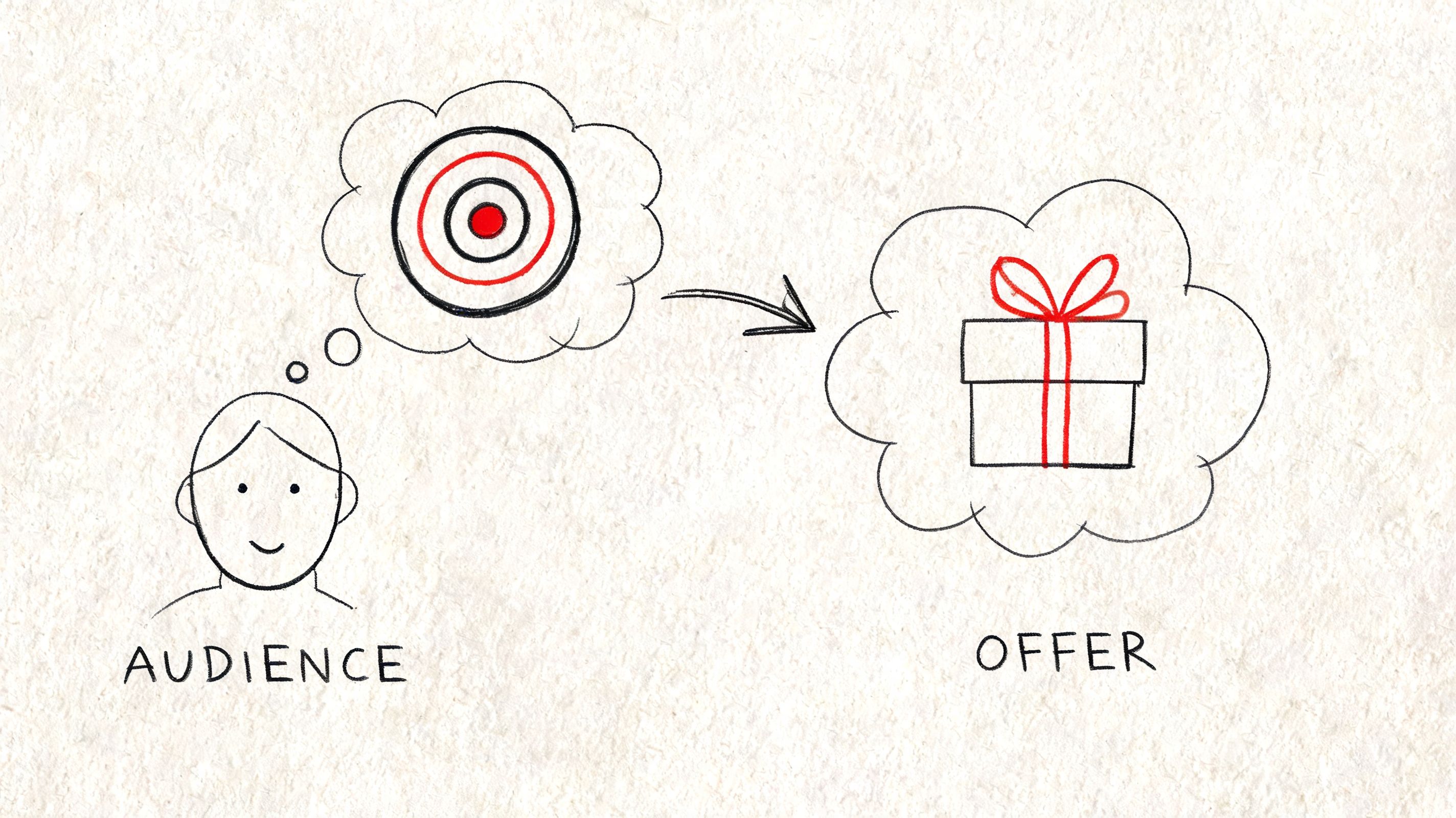
Start with the problem they want solved right now
Demographics can help with positioning, but they rarely produce a strong signup offer by themselves. What matters more is the moment the subscriber is in.
“Small business owners” is too loose. “Dog owners” is still too loose. “First-time dog owners trying to buy the right walking gear without wasting money” is specific enough to build around.
That level of specificity improves two things at once. Your conversion rate usually goes up because the offer feels relevant. Your list quality improves because the wrong people opt out before they ever join.
Use questions like these to define the audience:
-
What are they trying to fix today
A leash that pulls, a checkout flow that leaks revenue, a welcome sequence that gets opens but no sales. -
What have they already tried
Generic blog posts, Reddit threads, template packs, product roundups, advice from creators who do not serve their kind of customer. -
What would feel useful enough to trade an email address for
A checklist, a calculator, a decision guide, a template, a short email course, or a tool they can use in minutes.
Build the offer around one job
The best lead magnets solve one clear problem for one clear person. Broad offers attract broad intent, and broad intent is hard to segment, hard to monetize, and annoying to clean up later.
“Join our newsletter for pet tips” is weak because it asks for trust before giving a reason. “Get the first-time dog walking gear checklist” works better because the value is obvious, the audience is obvious, and the payoff is immediate.
I would rather have 500 subscribers who raised their hand for a specific problem than 5,000 people who joined for vague updates.
That matters even more if you care about owning your email stack long term. Clean intent makes every downstream step easier. Tagging is cleaner. Automations are simpler. Engagement stays healthier. Deliverability is easier to protect because you are not blasting generic content to a list built on lazy offers.
Good lead magnets are useful fast
Many brands overbuild the freebie. They write a 40-page ebook because it feels substantial. In practice, shorter assets often win because subscribers want a quick result, not homework.
A strong offer usually looks like one of these:
-
A decision checklist
“How to choose the right leash for a reactive dog” -
A comparison guide
“Harness vs collar for dogs that pull” -
A simple tool
A size selector or routine planner -
A short email course
“Five days to calmer walks”
Each option signals a different kind of intent. That gives you useful segmentation data from the first signup instead of forcing you to guess later.
The best lead magnet solves a real problem fast enough that the subscriber uses it the same day.
Make sure the offer matches the emails that follow
A lot of lists go sideways. The lead magnet gets the signup, but it has no connection to the newsletter or sales flow. You end up with subscribers who wanted one thing and now receive something else.
If your ongoing emails teach, your signup offer should teach. If your newsletter helps people make buying decisions, your lead magnet should help with a buying decision. If your business sells through education, do not bait subscribers with a discount gimmick and then switch to opinion pieces and product explainers.
That mismatch hurts more than conversions. It lowers opens, weakens clicks, and trains mailbox providers to see your mail as less wanted.
If you want help planning that connection, this guide on how to start a newsletter that matches your offer and audience is a useful reference.
A strong offer earns the email address and tells you why that person joined. That is the foundation of a list you can afford to keep and use.
Choose Your Stack The Smart Way
Beginners get told to pick the easiest email platform and figure out the rest later. That advice gets expensive fast.
Your stack decision shapes three things from day one: what you pay, how much control you have over deliverability, and how painful it will be to switch later.
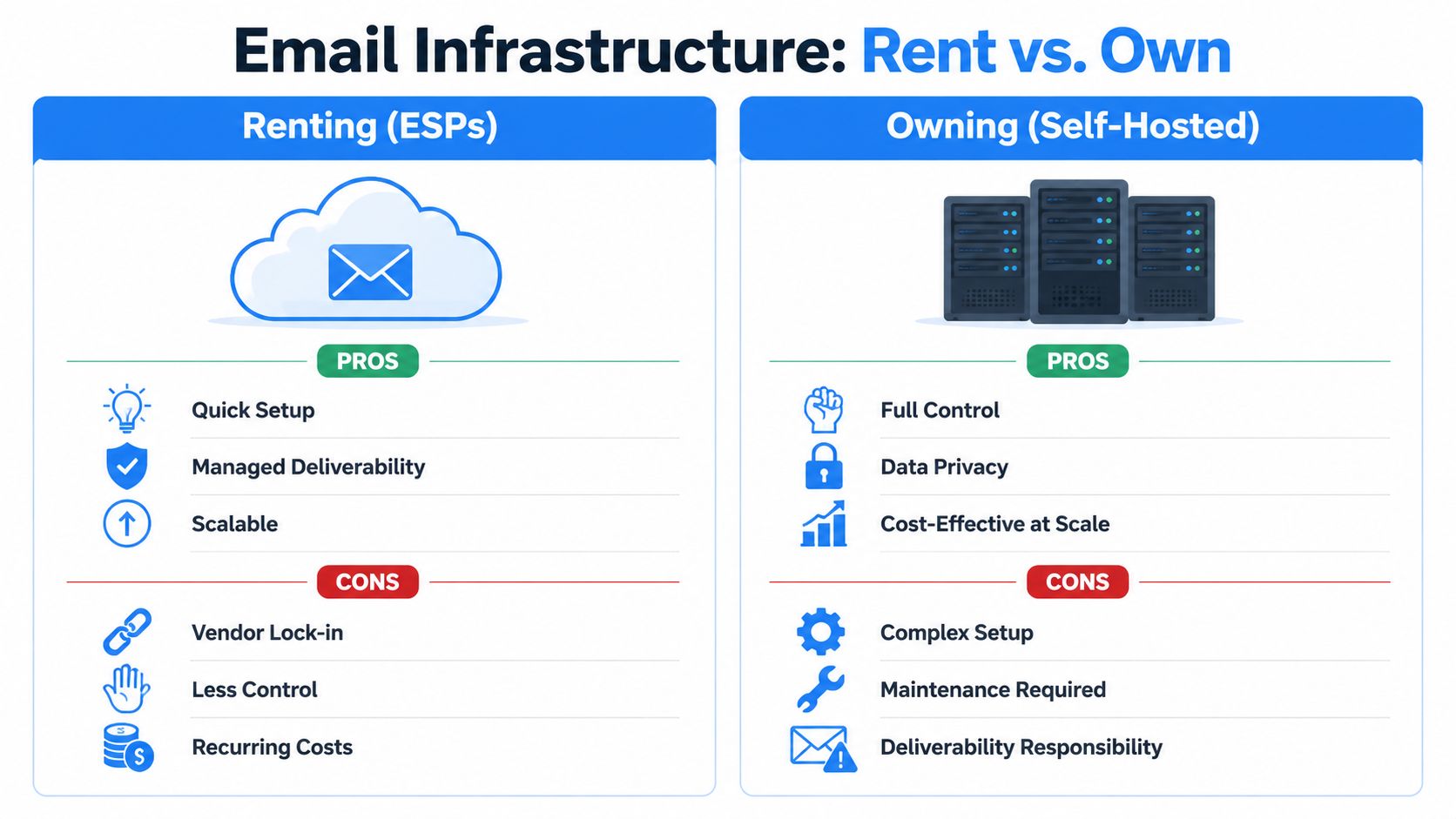
The core choice: rented tool or owned stack
A big ESP is easy to start with. You open an account, drop in a logo, connect a form, and send your first campaign the same day.
The trade-off shows up after the list starts working.
Subscriber-based pricing looks harmless when you have a few hundred contacts. Then the list grows, inactive subscribers pile up, and the monthly bill climbs faster than the value you get back. I learned that one the hard way with Mailchimp. The platform was simple early on, but cost and control got worse as the list matured.
Deliverability is the second problem. Many mainstream tools abstract away the sending layer, which sounds convenient until placement drops and you cannot see enough to diagnose why. If the platform relies on shared infrastructure or keeps key reputation data at arm's length, you are accepting risk you do not fully control.
Then there is lock-in. Forms, segments, automations, reporting, suppression logic, and templates end up trapped in one system. Teams delay leaving because migration feels messy, even when the economics stopped making sense months ago.
A fair comparison
Owning more of your stack is not the right move for every company on day one. Some small teams need a managed tool because nobody wants to touch DNS, domain warm-up, or sending configuration. That is a real constraint, not a moral failure.
But beginner guides rarely explain the long-term cost of renting the whole system. They frame the decision around template builders and UI polish instead of control, portability, and sender reputation. That is backwards.
Here is the practical comparison:
| Decision factor | Big-name ESP | Owned infrastructure approach |
|---|---|---|
| Setup speed | Fastest to launch | Takes more setup upfront |
| Monthly cost | Often rises with list size, not just sending volume | Usually tied more closely to actual usage |
| Deliverability control | Limited visibility, especially on shared systems | More direct control over domain, authentication, and sending setup |
| Portability | Migrations are often slow and annoying | Easier to swap tools without rebuilding everything |
| Long-term flexibility | Lower | Higher |
That cost gap matters more than many first-time creators expect. The underlying sending infrastructure is often cheaper than the markup wrapped around it. Once you see that clearly, it becomes hard to justify paying premium software fees forever just to access your own audience.
If you want to compare options before you commit, this roundup of email providers for different sending models and business types is a useful place to start.
If your list growth will depend heavily on Instagram, TikTok, or creator traffic, your signup system also needs a clean path from social profile to landing page. This guide covers the best tools to manage social links.
What to set up first
Keep the stack simple. Complexity is not the goal. Control is.
Start with these four pieces:
-
Your sending provider
Choose the delivery layer first. That decision affects cost, authentication, reputation handling, and how much visibility you get when something breaks. -
Your campaign and automation layer
Pick the software you will use for forms, broadcasts, sequences, and segmentation. This should sit on top of your sending setup, not trap you inside it. -
Your domain identity
Send from a domain structure you can keep for years. Changing domains, subdomains, or sending identities later creates avoidable friction. -
Your tagging and source tracking
Label subscribers by entry point, offer, and interest from the start. A clean structure early saves a painful cleanup later.
A beginner-friendly setup is not one that hides the machinery. It is one that lets you start without boxing yourself into rising costs and weak visibility.
The smart play is boring on purpose. Pick a stack you can afford to keep, configure properly, and move if needed. That is how you build an email list that remains an asset instead of turning into another software bill you resent.
Build Your High-Conversion Collection Points
Once the offer is clear and the stack is chosen, you need places to collect demand without annoying people. Most sites still do this badly. They hide a generic signup in the footer or throw an untimed popup at every visitor.
Collection points should match intent.

Forms that match intent
Use different form types for different moments on site.
-
Inline forms for content readers
Best inside blog posts, guides, and resource pages. The offer should match the page topic closely. -
Popups for engaged visitors
These work when timing is behavioral, not immediate. Show them after a meaningful scroll or dwell period, not on page load. -
Sticky bars for persistent visibility
Good for broad offers such as newsletters, waitlists, or storewide education.
The mistake isn't using popups. The mistake is using one generic popup everywhere.
A visitor reading your article on abandoned carts shouldn't see "Join our newsletter." They should see an offer tied to that topic. A visitor on your dog harness category page should get a different offer than someone reading your training guide.
Landing pages that do one job
Dedicated landing pages still matter because they remove navigation clutter and narrow the decision.
A strong signup landing page usually has these parts:
| Element | What it should do |
|---|---|
| Headline | State the immediate benefit clearly |
| Subhead | Explain who it's for and why it matters |
| Form | Ask for the minimum information needed |
| Proof | Reduce skepticism with clarity and context |
| CTA button | Finish the sentence started by the headline |
Keep the fields light. Email is often enough at the start. If you need more detail for segmentation, collect it later through clicks, replies, or preference prompts.
If most of your audience discovers you through social profiles, podcast bios, or creator partnerships, your signup path needs to work cleanly on mobile. A compact landing page often performs better than sending people to a crowded homepage. If you're reworking that profile layer too, this guide to the best tools to manage social links is worth reviewing.
After you build the page, watch this walkthrough to tighten the mechanics:
What strong signup copy looks like
Weak copy asks for attention. Strong copy offers a result.
Compare these approaches:
-
Weak
Subscribe for updates -
Better
Get the dog walking gear checklist for first-time owners -
Weak
Join our email list -
Better
Get practical retention emails, teardown notes, and campaign ideas in your inbox
Write form copy like an exchange, not a request. The visitor is giving access to their inbox. Give them a concrete reason.
Every collection point should answer three questions fast. What do I get? Is this for me? Why should I trust this?
If the page or form doesn't answer those, changing colors and button sizes won't rescue it.
Drive Traffic and Acquire Your First Subscribers
A signup system with no traffic is just clean architecture. You need input.
The easiest way to think about acquisition is by compounding channels and burst channels. Compounding channels take longer but keep working. Burst channels create spikes when you need early momentum, launches, or validation.
Slow-burn channels that compound
For most brands, the best starting point is content tied to specific subscriber intent.
Write articles, videos, product explainers, or social posts that solve one small problem, then connect them to one matching offer. A strong blog post can keep collecting subscribers long after you publish it. So can a useful YouTube tutorial or a practical LinkedIn post with a clear signup CTA.
Three approaches usually hold up:
-
Search-driven content
Write for questions your audience is already typing into search, then embed the relevant lead magnet inside the content. -
Platform-native social content
Share one insight, one example, or one teardown. Don't force the pitch. End with a natural next step. -
Partnership distribution
Guest posts, podcast appearances, newsletter swaps, and community contributions can send highly relevant traffic if the audience fit is tight.
This works especially well when the signup page matches the source. Someone coming from a post about onboarding should land on an onboarding-related offer, not your generic homepage.
Faster channels when you need momentum
If you want your first subscribers faster, layer in targeted outreach and paid distribution.
A few options that are usually worth testing:
-
Paid social to a dedicated landing page
Keep the page narrow. One offer, one audience, one CTA. -
Creator or brand collaborations
Partner with adjacent audiences, not random large ones. -
Warm network outreach
If you already know people who fit the audience, invite them personally instead of blasting them with a generic launch note.
SaaS and B2B teams need a slightly different angle because the buyer journey is more layered. In that case, list building often works best when it sits beside a clear education funnel, a demo path, or a problem-aware resource library. This overview of B2B SaaS lead generation tactics is a useful companion if your audience isn't consumer-facing.
The common mistake here is trying ten channels badly. Pick one compounding channel and one burst channel. Then keep the message consistent across both.
Traffic tactics fail less often from lack of reach and more often from weak message match. The offer, page, and source need to feel like one continuous conversation.
Your first subscribers don't need to arrive at scale. They need to arrive with the right expectations.
Nurture Deliverability and Retain Subscribers
List growth gets too much attention. List quality, sender reputation, and retention decide whether email becomes an asset or an expensive liability.
I learned that the hard way. A list can look healthy inside a rented ESP dashboard while inbox placement slips, costs climb, and you still have limited control over the part that matters most. The fix is not more templates or louder promotions. The fix is better onboarding, better sending discipline, and infrastructure you control.
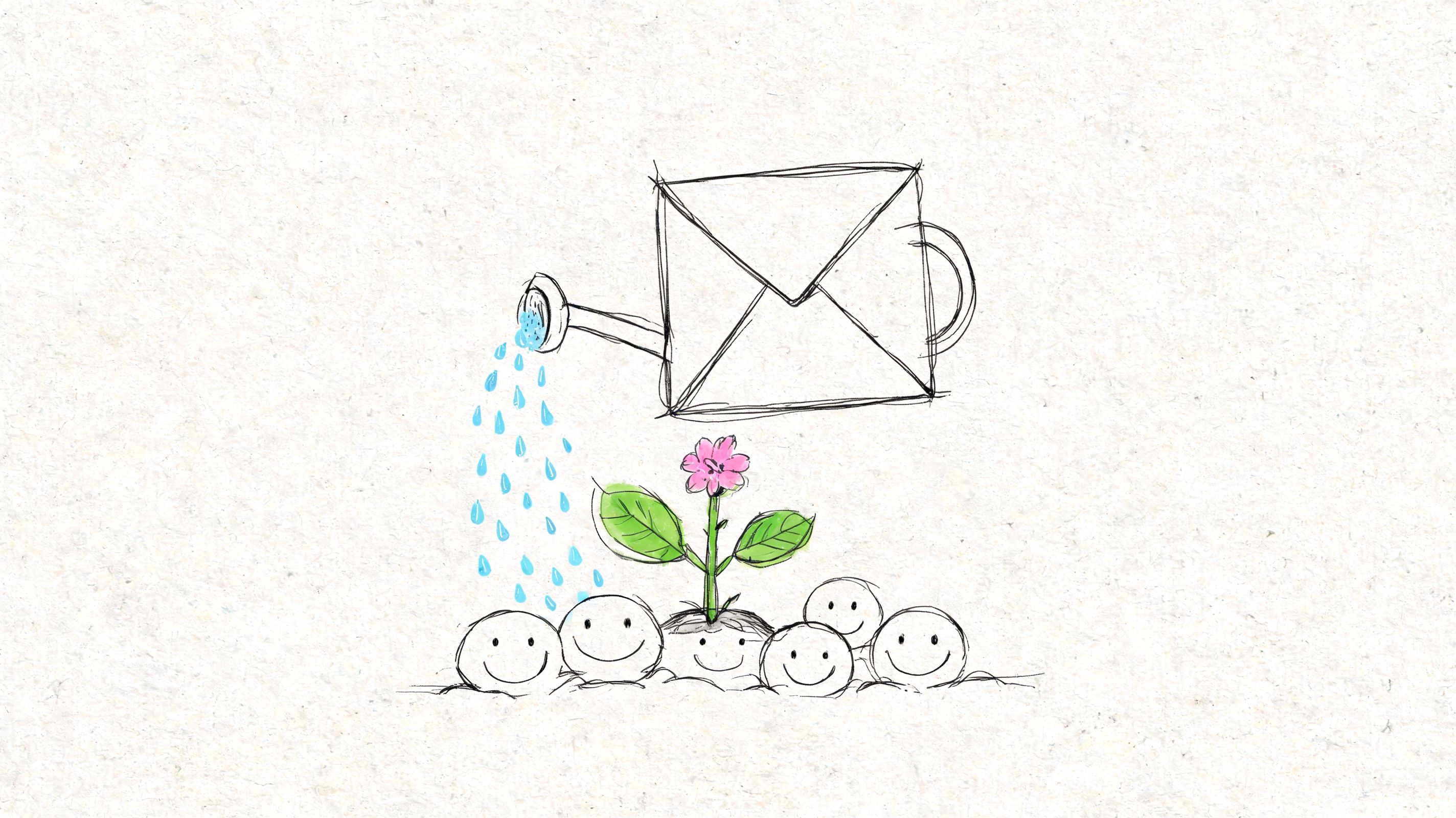
Your first emails set your ceiling
The welcome sequence does more than deliver a lead magnet. It trains both the subscriber and the mailbox provider.
A strong first sequence should do four jobs:
- Deliver what was promised
- Set a clear cadence
- Show the kind of value future emails will have
- Prompt one useful next action
That next action matters. Ask for a reply. Send them to one high-value article. Let them choose topics. Get one click that confirms intent and sharpens future targeting.
This is also where bad list building starts to show. If the opt-in promised a tactical guide and the first three emails are thinly disguised sales pitches, engagement drops fast. People ignore you, delete you, or mark you as spam. Mailbox providers notice all three.
Early engagement is one of the few signals you can influence quickly. Use it well.
Segment early and warm up with restraint
Segmentation should start on day one, even if it begins with only a few tags. Source, topic of interest, and basic behavior are enough to make early campaigns more relevant.
Useful tags usually include:
-
Signup source
Blog form, resource download, checkout opt-in, webinar registration -
Topic interest
Onboarding, retention, product education, category-specific pain points -
Behavior
Opened, clicked, replied, purchased, ignored the welcome sequence
The goal is not to build a complicated automation map for a list of 200 people. The goal is to avoid sending the same message to everyone and teaching inbox providers that your mail gets mixed reactions. Broad blasts are one reason beginner lists stall.
Warmup needs the same discipline. If you are using a new domain, a new subdomain, or a new sending setup, ramp volume gradually and start with your best subscribers first. Send to the people most likely to open, click, and reply. That positive engagement helps establish reputation. Dumping your full list into a cold setup is how teams create deliverability problems they then blame on subject lines.
If you want a practical checklist for setup, authentication, reputation, and warming patterns, this guide on email deliverability best practices is worth keeping nearby. For form-based workflows and delivery behavior, the Static Forms email delivery documentation is also helpful for understanding how submissions move through the stack.
Retention starts with consent and expectation
Retention is not just about writing better newsletters. It starts earlier, at the point of signup.
Use explicit permission. State what people will receive and how often. Make unsubscribing easy. Keep suppression lists clean. Store consent records. Those steps protect trust, reduce complaints, and make the list easier to manage as it grows.
This is one reason I prefer owning more of the stack. With a rented ESP, teams often accept whatever defaults the platform gives them and only pay attention after performance drops. With your own setup, you are forced to understand consent, authentication, list hygiene, routing, and reputation. That sounds like more work because it is more work. It is also how you avoid getting trapped by rising ESP costs and deliverability problems you cannot diagnose properly.
Watch the metrics that reveal real problems
Open rate can still be directionally useful, but it is not enough. Retention and deliverability show up more clearly in a small set of operational metrics.
Track these every send:
- New subscriber growth
- Click rate
- Reply rate, if replies are part of the strategy
- Unsubscribe rate
- Spam complaint rate
- Bounce rate
- Inbox placement trends across your most important segments
Then interpret them truthfully.
If unsubscribes rise, the usual cause is message mismatch or frequency mismatch. If complaints rise, your consent or expectation-setting is weak. If bounce rates climb, your collection process or list hygiene is sloppy. If inbox placement falls across campaigns, check authentication, sending patterns, domain reputation, and whether you pushed too much volume too quickly.
The long-term advantage of email is ownership. Not rented audience access. Not dependence on an ESP that gets more expensive as your list grows. Ownership. Build the habit early: clean consent, steady warmup, useful segmentation, and infrastructure you can control without asking permission from a platform that profits from keeping you boxed in.
If you're done paying markup for infrastructure you could control yourself, Mailtani is worth a look. It gives you the campaign, automation, forms, and analytics layer while letting you use your own sending provider, so you keep control of costs, portability, and deliverability from the start.


